

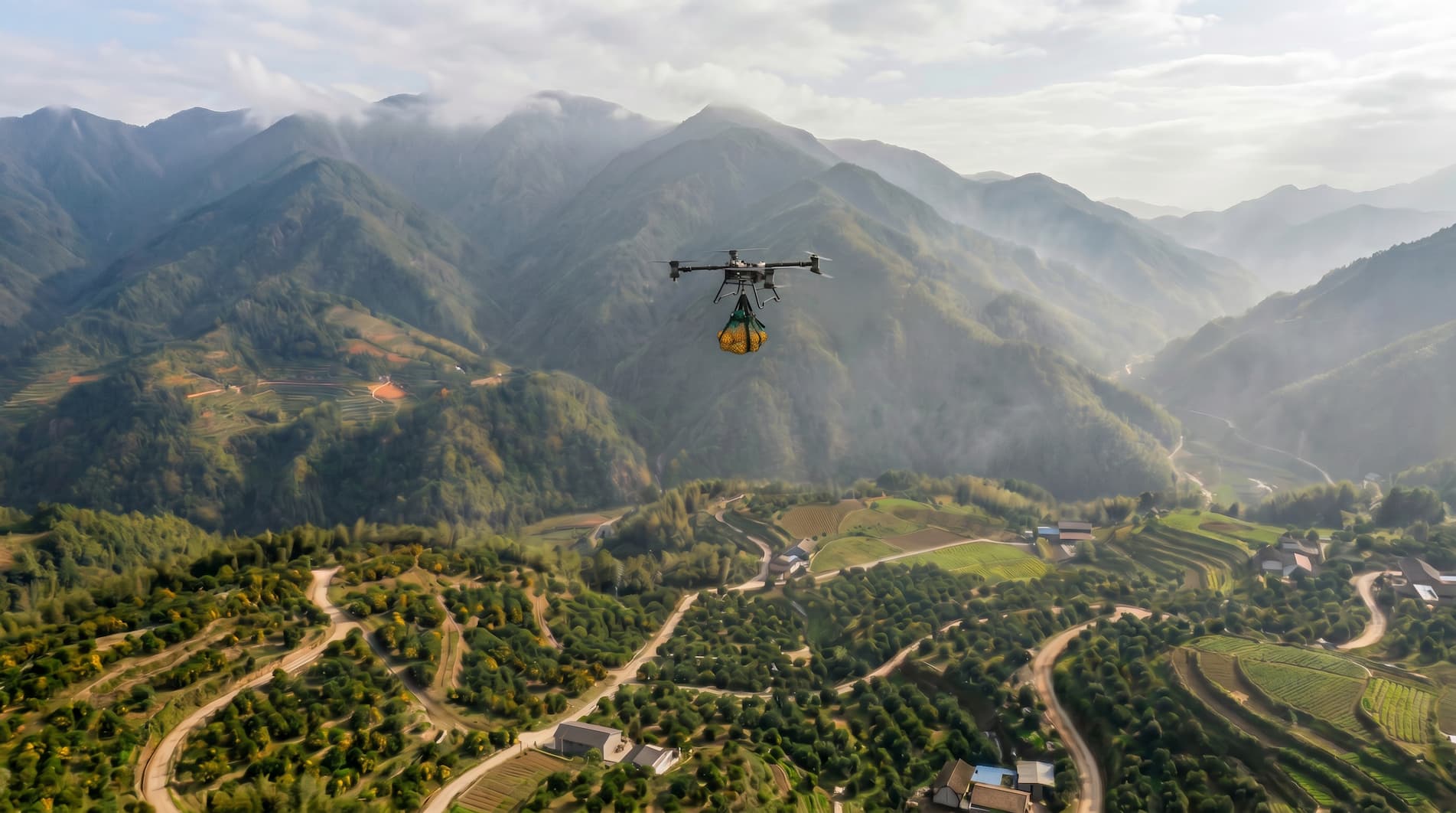

What Regulations Apply to Agricultural Drone Use in Different Countries?
Insights on industrial UAV technology, applications, and industry trends.
As agricultural drones become more widely adopted for spraying, seeding, mapping, and field monitoring, regulations are playing an increasingly important role in how and where these systems can be used. While the technology is global, the rules are not. Each country approaches agricultural drone regulation differently, based on airspace management, safety concerns, and local agricultural practices.
This article provides a practical overview of how agricultural drone regulations differ across major regions, and what operators, distributors, and manufacturers should generally be aware of.
Why Agricultural Drone Regulations Matter
—
Agricultural drones are not treated the same as consumer drones in most countries. They typically involve:
- Heavier takeoff weights
- Low-altitude operations over crops
- Liquid payloads such as pesticides or fertilizers
- Commercial or professional use
Because of this, regulators often apply additional requirements related to pilot qualifications, aircraft certification, operational approval, and chemical application rules. Understanding these requirements is essential before entering a new market or starting operations.
In the United States, agricultural drone use is primarily regulated by the Federal Aviation Administration (FAA), with additional oversight from state and environmental agencies.
Key points include:
- Most agricultural drone pilots must hold a Part 107 Remote Pilot Certificate
- Heavier agricultural drones may require waivers or exemptions, especially for weight and night operations
- Chemical spraying is regulated separately under EPA and state pesticide laws
- Visual line-of-sight and altitude limits generally apply unless specific approval is granted
The U.S. regulatory environment is structured and well-defined, but compliance often involves multiple authorities, not just aviation regulators.
In the European Union, drones are regulated under the overarching framework of EASA (European Union Aviation Safety Agency). While EASA defines general categories and risk-based concepts, agricultural drone operations are largely governed at the national level.
In practice:
- Agricultural drones usually fall under the Specific Category, but approval pathways differ by country
- Crop spraying and chemical application are regulated separately, often by national agricultural or environmental authorities
- Some EU countries allow agricultural drone spraying under defined conditions, while others impose strict limitations or prohibit it entirely
- Operator certification, aircraft approval, and operational permissions may require country-specific authorization
As a result, there is no single, unified regulatory path for agricultural drones across the EU. Operators and manufacturers typically need to assess regulations on a country-by-country basis, often with local partners or authorities.
Australia regulates drones through CASA (Civil Aviation Safety Authority).
For agricultural drone operations:
- Commercial use generally requires remote pilot licensing or operational accreditation
- Heavier drones or spraying operations may require additional approvals
- Strict rules apply to operating near people, property, and infrastructure
Australia's framework is clear and transparent, but compared with some regions, approvals for advanced agricultural operations can be more conservative.
Countries such as Thailand, Vietnam, Indonesia, and Malaysia are seeing rapid growth in agricultural drone use, but regulations are still evolving.
Common characteristics include:
- Aviation authority registration requirements
- Import and frequency approval for drone hardware
- Local permits for spraying chemicals
- In some cases, region-specific pilot training programs
Because regulations change frequently, local partners and distributors play a critical role in ensuring compliance.
Key Regulatory Themes Across Countries
—
Despite regional differences, most agricultural drone regulations focus on a few common areas:
1. Pilot Qualification
Training, certification, or licensing requirements for professional operators
2. Aircraft Compliance
Registration, model approval, or technical documentation
3. Operational Limits
Altitude, distance, line-of-sight, and operating environment rules
4. Chemical Application Control
Separate laws governing pesticide and fertilizer spraying
5. Data and Safety Accountability
Record keeping, flight logs, and incident reporting
Understanding these shared themes makes it easier to evaluate new markets, even when detailed rules differ.
From the perspective of manufacturers such as TopXGun, which work with agricultural drone partners across multiple regions, regulatory requirements vary significantly from one country to another. Practical deployment often depends not only on aviation rules, but also on local agricultural and environmental policies. For operators, distributors, and manufacturers, the key is not just knowing the technology, but understanding how local regulations shape real-world use. Staying informed, working with local authorities, and adapting operational practices are essential steps toward long-term success in global agricultural drone markets.