



How Agricultural Drones Are Helping Brazilian Farmers Improve Crop Spraying Operations
Insights on industrial UAV technology, applications, and industry trends.
Brazilian agriculture is built on efficiency, timing, and the ability to manage large and diverse farming operations. From soybean and corn fields in the Cerrado region to cotton, sugarcane, coffee, and citrus plantations across the country, farmers and agricultural service providers face the same challenge every season: how to complete crop protection operations more efficiently and at the right time.
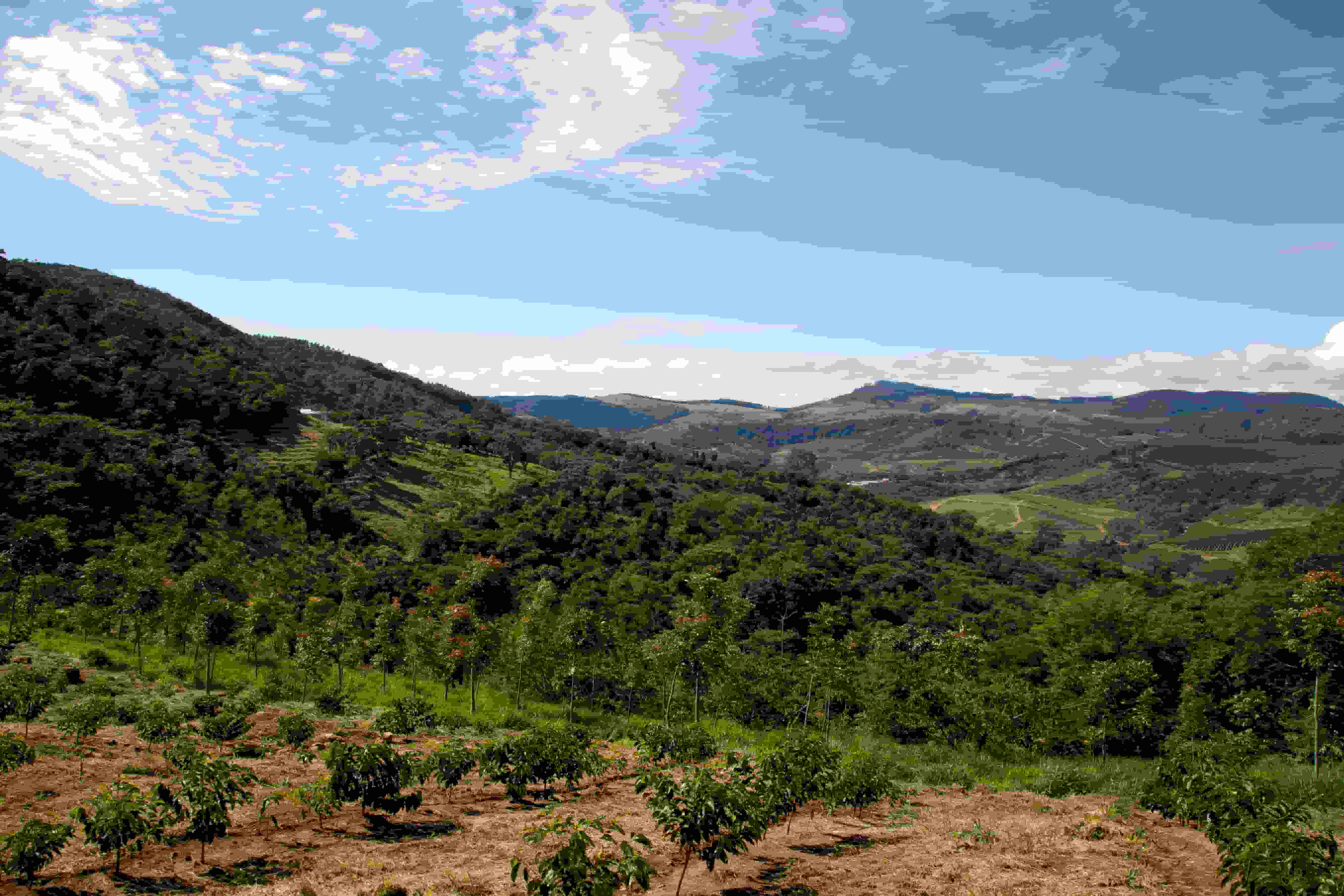
For many professionals in Brazil, agricultural drones are becoming a practical solution to improve spraying operations. Instead of being viewed as a future technology, drones are increasingly being used in real farming scenarios to support crop protection, fertilizer application, and precision agriculture.
The growing adoption of agricultural drones in Brazil is not about replacing traditional equipment. It is about giving farmers and service providers another tool that provides greater flexibility, especially when timing, field conditions, and operational efficiency are critical.
Meeting the Challenges of Modern Crop Protection
Crop spraying is one of the most time-sensitive operations in agriculture. Applying crop protection products too early, too late, or under unsuitable conditions can affect results and increase operational costs.
Brazilian farmers often manage large planting areas where quick response is essential. During important crop stages, the ability to complete spraying operations within a limited timeframe can make a significant difference.
Agricultural spraying drones provide greater operational flexibility. Because they do not require direct contact with the field, they can operate in areas where traditional machinery may face limitations, such as wet soil conditions, uneven terrain, or fields with crops that are sensitive to mechanical damage.
For farmers and agricultural contractors, this flexibility helps improve planning and allows operations to be carried out when crops need them most.
More Efficient Spraying for Different Crops
Brazil has a diverse agricultural landscape, and each crop comes with its own challenges.
In soybean production, one of the country’s most important agricultural sectors, large cultivation areas require efficient crop management throughout the growing season. Agricultural drones can help operators complete spraying tasks quickly and accurately across extensive fields.
For cotton growers, achieving consistent coverage is especially important. The crop structure and pest management requirements demand reliable spraying performance. Advanced agricultural drones equipped with optimized spraying systems can help improve application uniformity and operational efficiency.
Sugarcane production also benefits from drone technology, particularly in large-scale operations where flexibility and accessibility are important factors.
In coffee plantations, where terrain can often be more complex, drones provide an alternative solution for areas that are difficult to access with conventional equipment.
By adapting to different crop environments, agricultural drones are becoming a valuable option for a wide range of Brazilian agricultural operations.
A New Opportunity for Agricultural Service Providers
The growth of agricultural drones in Brazil is not limited to farmers who operate their own land.
Many professionals are entering the agricultural drone service market, providing spraying services for farms in their regions. This business model allows operators to support multiple customers while creating new revenue opportunities.
For drone service providers, choosing the right agricultural drone is an important investment decision. Beyond the initial purchase price, factors such as operation efficiency, spraying performance, battery management, maintenance requirements, and technical support all influence long-term profitability.
A reliable agricultural drone needs to perform consistently in real working conditions — not only during demonstrations, but throughout an entire spraying season.
What Should Brazilian Operators Consider When Choosing an Agricultural Drone?
For farmers and service providers looking to invest in agricultural drone technology, several factors should be considered:
Payload capacity
The right payload depends on the size of the operation, crop type, and spraying requirements. Larger tanks can improve efficiency for professional operations, while more compact models may provide greater flexibility.
Spraying performance
A good spraying system should provide stable flow, consistent droplet size, and uniform coverage across different applications.
Flight efficiency
Battery life, charging solutions, and intelligent flight planning directly affect daily operating capacity.
Technical support and spare parts
For commercial operators, reliable after-sales support is essential to minimize downtime during busy farming seasons.
TopXGun Agricultural Drone Solutions for Brazil
As the agricultural drone market continues to develop in Brazil, professional users are looking for solutions that combine performance, reliability, and operational efficiency.
TopXGun provides agricultural drone solutions designed for different crop protection scenarios, supporting farmers and agricultural service providers with advanced spraying and spreading technologies.
TopXGun FP700 agricultural drone is designed for efficient crop spraying operations, offering a practical solution for operators who need reliable performance across different agricultural applications.
For larger-scale operations, the TopXGun FP800 agricultural drone provides higher payload capacity and advanced spraying capabilities, helping professional operators improve productivity and manage larger areas more efficiently.
With a focus on intelligent flight systems, precise application, and practical agricultural needs, TopXGun continues to support the development of modern farming solutions in global markets, including Brazil.
The Future of Agricultural Operations in Brazil
Agricultural drones are becoming an increasingly important part of modern farming in Brazil. For farmers and agricultural service providers, they represent a practical way to improve operational flexibility, respond faster to crop needs, and optimize spraying processes.
As more professionals gain experience with drone technology, agricultural drones will continue to play a greater role in crop protection and precision agriculture.
For Brazilian agriculture, the question is no longer whether drone technology has potential — it is how farmers and operators can use it effectively to create better results in their daily operations.