



Agricultural Drones for Cotton Spraying in Brazil: A More Flexible Approach to Crop Protection
Insights on industrial UAV technology, applications, and industry trends.
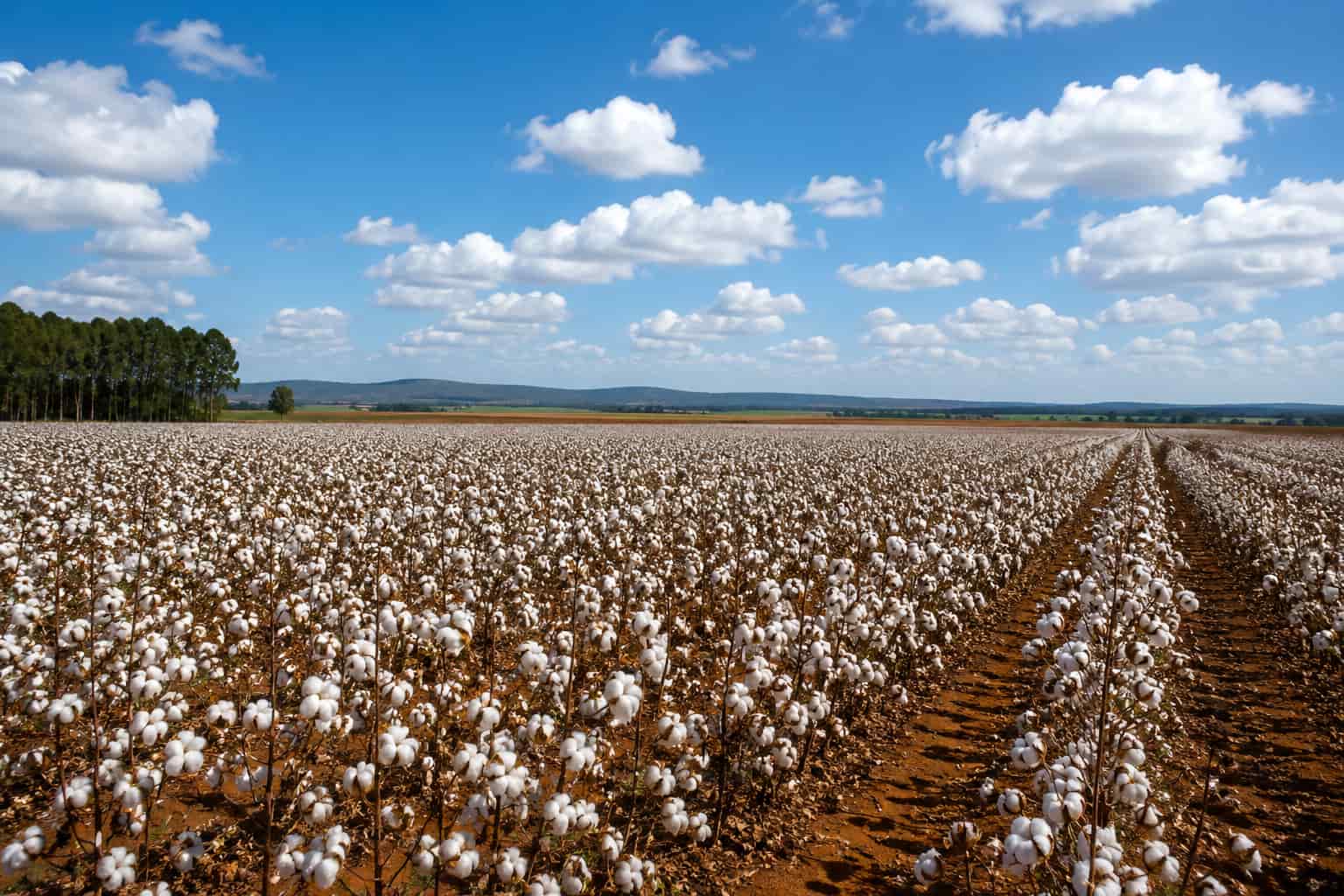
Brazil is one of the world's major cotton-producing countries. With large-scale farms, long production cycles, and increasing demand for efficient crop protection, cotton growers need spraying solutions that can cover large areas while maintaining consistent application.
Agricultural drones are becoming an increasingly useful tool for cotton spraying. By taking crop protection into the air, drones can provide greater flexibility when fields are difficult to access or when crops are at sensitive growth stages.
For cotton growers, the value of drone spraying is not simply about replacing traditional equipment. It is about having another practical option for timely and precise crop protection.
Why Is Cotton Spraying Challenging?
Cotton requires careful pest and disease management throughout the growing season. One of the challenges is reaching the crop effectively as the canopy develops.
Large cotton fields can also make spraying operations demanding. When weather conditions change or a pest outbreak requires a rapid response, growers may need to treat large areas within a limited time window.
Traditional ground equipment can face several challenges:
Wet or soft field conditions can make field access difficult
Tall or dense cotton can make canopy penetration more challenging
Heavy machinery may cause soil compaction
Large fields require significant time and operational resources
Certain areas may be difficult to reach with ground equipment
These factors make flexibility an important part of modern cotton crop protection.
How Can Agricultural Drones Help With Cotton Spraying?
Agricultural drones can operate above the crop without driving through the field. This gives them several advantages for cotton spraying.
1. Spray Without Driving Through the Crop
Aerial spraying allows the drone to fly above the cotton canopy instead of passing between crop rows.
This can be particularly useful when the field is wet or when the crop has developed a dense canopy.
It also avoids the wheel traffic associated with conventional ground machinery.
2. Flexible Operation Across Large Fields
Modern agricultural drones can combine field mapping, autonomous flight planning, and automatic route execution.
Once the field has been mapped and the mission parameters are set, the drone can follow planned flight paths across the target area.
For large-scale cotton farms, this can help improve operational efficiency and make it easier to respond when spraying needs to be completed within a limited time window.
3. Better Access to Difficult Areas
Not every part of a cotton field is equally accessible.
Uneven terrain, wet ground, narrow access points, or areas where machinery cannot easily operate can create additional challenges.
Because the drone operates in the air, it can provide an additional spraying option for these situations.
4. Precise Application
Spraying performance depends on more than simply putting pesticide on the crop.
Flight altitude, speed, application rate, spray width, droplet size, and flow rate all affect the final application.
Agricultural drones allow operators to configure these parameters according to the crop and treatment requirements, helping achieve more consistent spraying across the field.
Why Cotton Can Benefit From Drone Spraying
Cotton has a relatively complex canopy structure, particularly as the crop develops.
For effective crop protection, spray droplets need to reach the target areas rather than remaining only on the upper surface of the canopy.
This is where spray droplet characteristics and airflow become important.
A properly configured agricultural drone can produce fine droplets and maintain a controlled spray pattern. The downward airflow generated by the rotors can also help move droplets toward the crop canopy.
The goal is not simply to spray more, but to achieve effective and consistent coverage with the appropriate application parameters.
Drone Spraying in Different Cotton Growth Stages
The appropriate spraying strategy depends on the crop's growth stage, target pest or disease, pesticide label, weather conditions, and local agronomic recommendations.
Drone spraying can be considered when:
Early-stage cotton:
Targeted spraying can be used when early pest pressure requires timely intervention.
Developing canopy:
As the cotton canopy becomes denser, appropriate flight height, speed, droplet size, and application rate become increasingly important for achieving adequate coverage.
Later growth stages:
When the crop becomes difficult to access with ground machinery, aerial application can provide another option for crop protection.
The key is to adjust the application parameters to the specific field conditions rather than using the same settings for every operation.
When Is Drone Spraying Particularly Useful?
Agricultural drones can be especially valuable when timing and field accessibility are critical.
For example, after rainfall, a cotton field may become difficult for heavy machinery to enter. At the same time, delaying a necessary crop protection treatment may allow pest pressure to increase.
A drone can operate without driving through the field, providing growers with an additional option to treat crops when ground access is limited.
This flexibility can be particularly important in large-scale cotton production, where a narrow spraying window may involve thousands of hectares.
A More Flexible Future for Cotton Crop Protection
Brazilian cotton production continues to evolve toward larger-scale and more technology-driven farm management.
Agricultural drones can contribute to this development by providing a flexible aerial spraying solution that combines high payload capacity, precise application, autonomous flight planning, and efficient field coverage.
For cotton growers, the objective is straightforward: apply crop protection products accurately, efficiently, and at the right time.
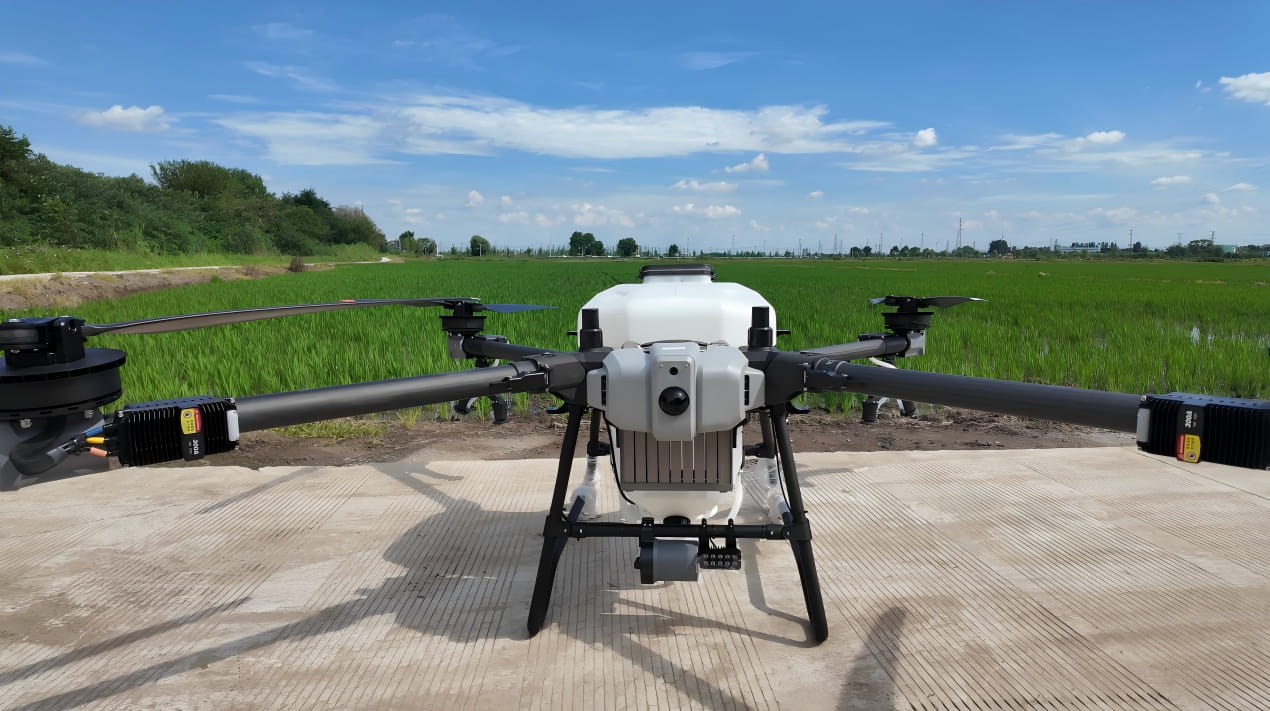
With its 80L spray tank, four centrifugal nozzles, 40L/min maximum flow rate, dynamic mixing system, and autonomous mission planning, the TopXGun FP800 is designed to support efficient cotton spraying operations on large farms.
As agricultural technology continues to develop in Brazil, drones are becoming not just a new way to spray crops, but an increasingly practical part of modern crop protection.